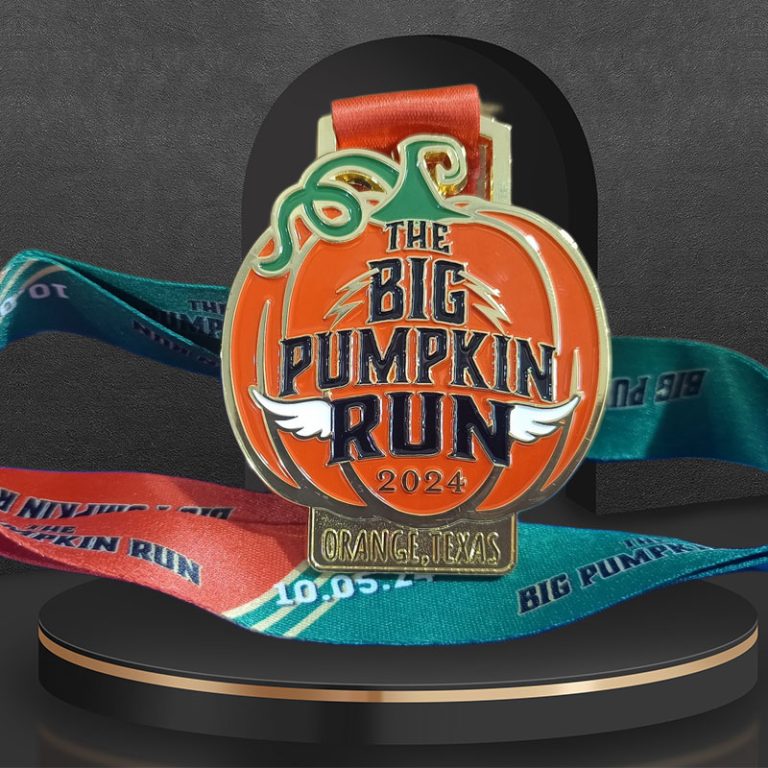
Custom Medal Plating and Finishing: Gold, Silver and Other Options
The finish of a custom medal can change its appearance quite a bit. The same medal design may look bright and polished in gold, more understated in antique brass, or completely different with a painted surface.
At Shenzhen Yuehui Gifts, we work with different metal finishing methods depending on the medal’s material, design and intended use.
Three common methods are electroplating, electrophoretic coating (e-coating) and spray painting. They work differently, and each has its place in medal production.
Below, we’ll explain how these processes are used and what customers should consider when choosing a finish.
Electroplating: Gold, Silver and Nickel Finishes
Electroplating is one of the most common finishing methods for custom metal medals. An electric current is used to deposit a thin layer of metal onto the medal’s surface.
For most sports medals and promotional awards, customers choose decorative finishes such as gold-colored, silver-colored or nickel plating. Antique brass, antique copper and other effects can also be produced using suitable plating and finishing processes.
One thing worth explaining is that gold-colored plating does not necessarily contain real gold. Most standard gold-finish medals use an imitation gold-colored coating. Genuine gold plating is available for certain projects, but it costs more and needs to be specified separately.
What Makes a Good Plated Finish?
Before plating, the metal surface needs to be properly prepared. Rough edges, polishing marks and other surface defects can affect the final appearance.
The durability of the finish depends on the plating material, coating thickness, surface preparation and how the medal is handled or stored. No decorative plating is completely resistant to scratches or wear.
At our factory, we check the plating color, surface consistency and visible defects against the approved sample before shipment.
Watch Our Medal Electroplating Process
The video below shows a rack of metal medals being lifted from an electroplating tank. This is one of the finishing stages used to give custom medals their metallic appearance.
For orders requiring a specific gold or silver tone, we recommend checking a physical sample before mass production.

Electrophoretic Coating (E-Coating)
Electrophoretic coating, also known as electrophoretic coating, is the process of dipping the medal into a paint solution and applying an electric current to deposit the paint evenly on the surface. This method is particularly useful for applying a uniform color coating to custom medals. In medals, people usually use antique gold, antique silver, antique copper
Advantages of electrophoretic coating:
Uniform coverage: The electric current ensures uniform coating, even on complex shapes and intricate designs.
Corrosion resistance: E-coated medals are highly resistant to rust and corrosion, suitable for outdoor use.
Environmentally friendly: Compared with traditional electroplating and painting methods, this process produces less waste and uses fewer harmful chemicals.
Application: Electrophoretic coating is often used for medals that require a specific color treatment and is often chosen in marathon events.

Spray painting:AN eCONOMICAL AND efficient cHOICE
Spray painting represents a straightforward and cost-effective method for adding color to custom medals. This technique involves applying a layer of paint onto the medal surface either manually or through the use of a spray gun.
Advantages of Spray Painting:
High cost-effectiveness: Spray painting typically incurs lower costs compared to electroplating or electrophoretic coating.
Customization: It allows for pairing with a wide range of colors and finishes, offering greater flexibility in design creativity.
Fast turnaround: The process is expedited, making it particularly suitable for large orders with tight deadlines.
Application: Medals produced using spray painting techniques are often ideal for cartoon-inspired designs or hand-drawn artistic styles.

The plating of custom medals is a critical aspect of the design process, influencing both the aesthetic appeal and durability of the final product. By understanding the differences between electroplating, electrophoretic coating, and painting, you can make an informed decision that aligns with your specific needs and budget. Whether you’re creating medals for a prestigious event or a casual celebration, choosing the right plating method will ensure that your custom medals stand out and leave a lasting impression.
For more information on custom medal plating and to explore our range of services, visit our website or contact our team of experts today.
How Do We Choose the Right Finish for a Custom Medal?
There isn’t one finish that works best for every medal.
For marathon medals and sporting awards, bright gold, silver and bronze-colored finishes are common choices. Antique finishes work well for designs with deep relief, historical buildings or commemorative artwork.
When reviewing a new project, we normally look at the base material, medal size, design details, quantity and budget before recommending a finish.
At Shenzhen Yuehui Gifts Co., Ltd., we manufacture custom medals using zinc alloy die casting, brass stamping, metal finishing, enamel coloring and UV printing.
If you’re unsure which finish suits your design, send us your artwork, preferred size and quantity. We can review the requirements and prepare a quotation.
See more options on our Custom Medals page.